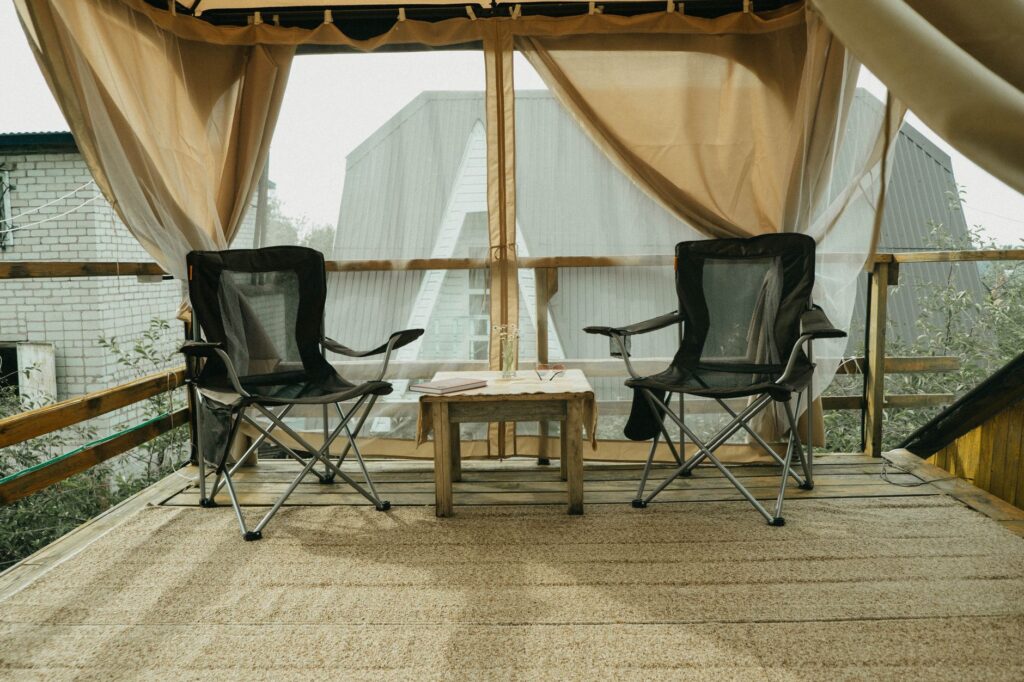
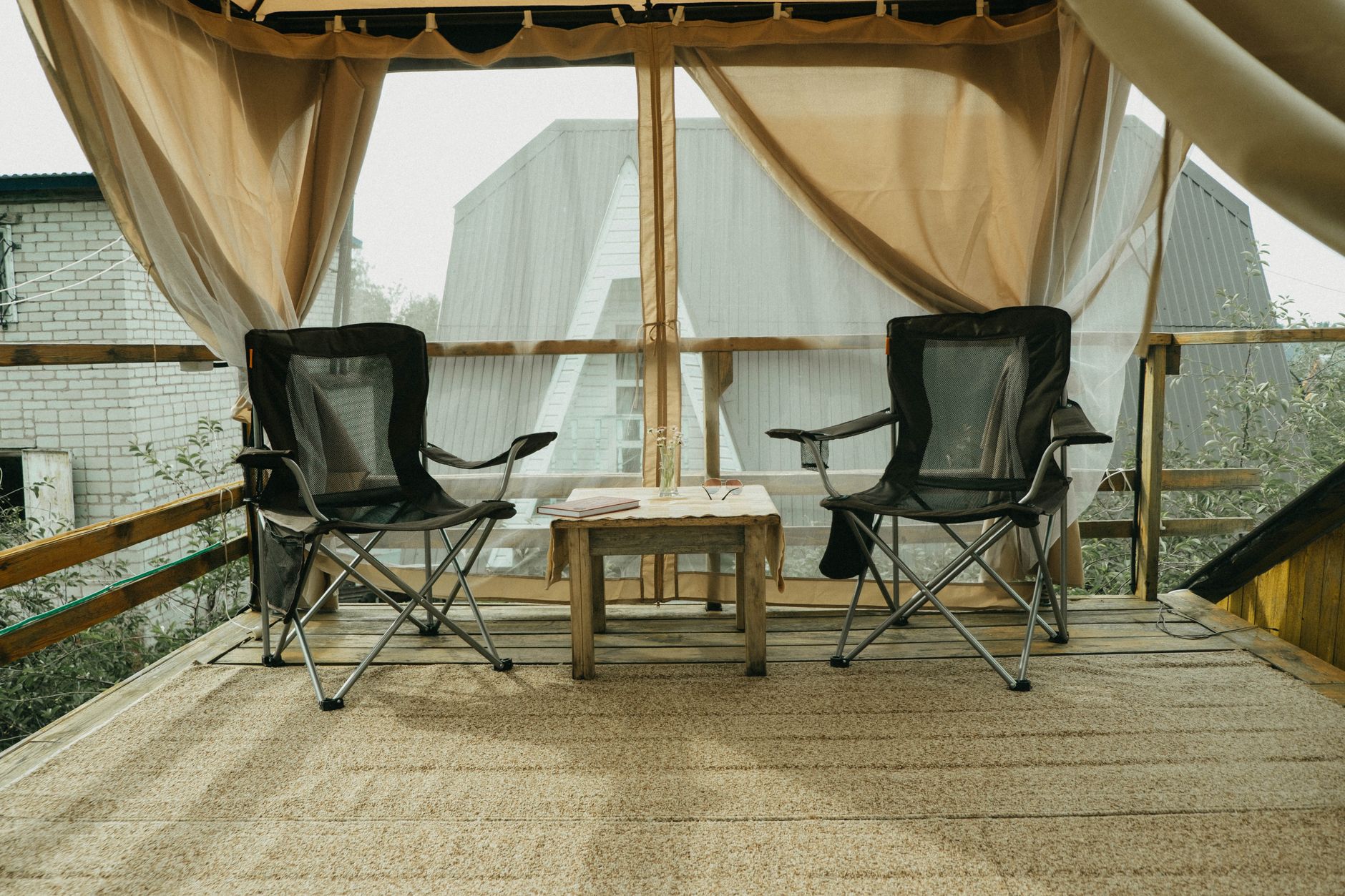
Picture yourself enjoying a morning coffee while sheltered from the harsh Australian sun, or watching a summer storm roll in from the comfort of your own verandah. Adding a verandah is one of the most rewarding home extensions you can make, blending classic Australian charm with practical outdoor living space. Understanding the verandah cost australia homeowners face in 2026 helps you plan a project that fits your budget while delivering lasting value.
What's in this guide
- Average verandah cost australia breakdown
- Factors that influence verandah costs
- Roofing materials and their impact on price
- Council approvals and heritage considerations
- Common mistakes to avoid
- FAQ
Average verandah cost australia breakdown
The verandah cost australia homeowners can expect in 2026 varies significantly based on size, materials, and complexity. A basic verandah with a simple flat roof and standard posts typically starts around $15,000 to $25,000 for a modest 20–30 square metre structure. Mid-range projects with quality timber posts, decorative brackets, and pitched roofing sit between $30,000 and $55,000, while premium verandahs featuring heritage detailing, premium hardwood, and complex roof lines can easily exceed $70,000 to $100,000.
For a standard rear or front verandah measuring approximately 8 metres by 3 metres (24 square metres), you're looking at an average cost of $35,000 to $45,000 in most Australian capital cities. Regional areas may see costs 10–20% lower, though this depends heavily on builder availability and material transport costs. Timber-framed verandahs with Colorbond roofing represent the sweet spot for most homeowners, balancing aesthetics, durability, and budget.
Labour typically accounts for 40–50% of the total project cost. Expect to pay experienced builders $60 to $85 per hour, with most verandah projects requiring 80 to 150 hours of work depending on complexity. Additional tradespeople—concreters for footings, electricians for lighting, and painters for finishing—add to the overall timeline and expense.
Factors that influence verandah costs
Size is the most obvious cost driver. Each additional square metre adds approximately $800 to $1,500 to your verandah cost australia budget, depending on materials and finish quality. A wraparound verandah circling two or three sides of a home can easily double or triple the price compared to a simple single-wall addition.
Material choice dramatically affects both upfront costs and long-term maintenance. Treated pine posts and beams offer the most economical starting point at $80 to $150 per linear metre, while hardwood options like spotted gum or ironbark jump to $250 to $400 per linear metre. Steel posts powder-coated to match your home's palette sit in the middle at $180 to $280 per linear metre and require minimal upkeep.
Site preparation can introduce unexpected costs. Sloping blocks require more extensive footings and potentially taller posts on the low side, adding $3,000 to $8,000 to the base quote. Homes on stumps or with unusual floor heights need careful engineering to ensure the verandah floor aligns properly. Rocky or clay-heavy soil may demand pier-and-beam footings rather than simple concrete pads, increasing both material and labour expenses.
Decorative elements beloved in traditional Australian verandah design—lacework, fretwork, turned posts, and ornate brackets—add character but also cost. Budget an extra $2,000 to $6,000 for heritage-style embellishments, more if custom-milled to match existing period features. These touches are particularly important for character homes in heritage overlay zones where council approval depends on sympathetic design. If you're considering other outdoor extensions, our guide to alfresco extension costs covers contemporary alternatives that may suit modern homes.
Roofing materials and their impact on price
Roofing represents one of the largest line items in any verandah cost australia estimate. Colorbond corrugated or trimdek sheeting remains the most popular choice, costing $60 to $95 per square metre installed. It's lightweight, durable in all Australian climates, and available in colours to match or complement your existing roof. A 24-square-metre verandah roof in Colorbond typically adds $1,800 to $2,500 to your project.
Insulated roof panels (like Stratco Outback or Bondor Insulroof) cost more upfront—$120 to $180 per square metre—but deliver significant comfort benefits by reducing radiant heat. In Queensland's tropical north or western Sydney's heat belt, the extra $1,500 to $2,200 for insulated roofing pays dividends in livability. These panels also dampen rain noise, a welcome feature during summer storms.
Polycarbonate or clear roofing panels allow natural light to flood the verandah space but require careful consideration in hot climates. Multiwall polycarbonate sheets run $85 to $140 per square metre and provide better insulation than single-skin options. Tinted or UV-blocking variants help manage heat and glare. Be aware that polycarbonate expands and contracts with temperature swings, requiring proper installation techniques to avoid leaks or cracking.
Terracotta or concrete tiles create a seamless aesthetic when matching your main roof but demand heavier structural framing. Tiles cost $110 to $160 per square metre installed, and the additional roof framing to support the extra weight adds $1,200 to $3,000 to the project. This approach works beautifully on period homes or Mediterranean-style architecture. For homeowners looking at roof maintenance after installation, our roof painting contractors guide covers long-term care strategies.
Pitched roofs with proper eaves and guttering cost 20–35% more than flat or skillion designs but offer superior weather protection and traditional proportions. The pitch allows for better drainage and creates a more integrated look with your home's existing roofline. Budget an additional $4,000 to $8,000 for a gable or hip roof design over a simple flat structure.
Council approvals and heritage considerations
Most Australian councils allow verandahs as exempt or complying development if they meet specific criteria, but these thresholds vary significantly by state and local government area. In New South Wales, a verandah under 20 square metres that doesn't exceed 3 metres in height and sits at least 900mm from side boundaries often qualifies as exempt development, avoiding the need for a Development Application (DA). Victoria's rules differ—typically permitting structures under 10 square metres without a permit in residential zones, while larger builds require planning approval.
Queensland councils generally require building approval for all verandahs regardless of size, though you may skip town planning approval if the structure doesn't breach height, setback, or site coverage limits. Western Australia and South Australia have their own frameworks, so checking with your local council before committing to a design is essential. Budget $800 to $2,200 for building approval fees and certification in most jurisdictions.
Heritage overlays and conservation areas introduce stricter requirements that can significantly influence your verandah cost australia estimates. Councils may mandate specific materials, roof pitch, post design, or colour palettes to maintain streetscape character. A heritage architect or specialist designer familiar with your council's local planning scheme can be invaluable, though this consultation adds $1,500 to $4,000 to upfront costs. The payoff is a smoother approval process and a verandah that enhances rather than detracts from your home's period charm.
The Australian Building Codes Board sets the National Construction Code standards that all verandahs must meet, covering structural integrity, bushfire attack level (BAL) ratings, and accessibility. In bushfire-prone areas, BAL-12.5 or higher ratings may require ember-proof screens, non-combustible posts, or metal roofing, adding $3,000 to $8,000 to your build. Engaging a licensed builder familiar with local BAL requirements from the outset saves costly redesigns later.
Engineering certification is sometimes required for verandahs in high-wind zones (cyclone regions in Queensland's north, for example) or on challenging sites. A structural engineer's report costs $800 to $1,800 but ensures your verandah withstands local environmental loads. This expense is non-negotiable in areas subject to severe weather events and provides peace of mind that your investment is built to last.
Common mistakes to avoid
One of the most common errors is underestimating the importance of proper drainage and water management. A verandah that channels rainwater toward your home's foundations or creates pooling near doorways will cause ongoing headaches. Ensure your builder includes adequate fall in the roof (minimum 1:40 for metal sheeting), properly sized gutters, and downpipes that connect to stormwater or suitable dispersal points. Skimping on this detail to save $400 to $800 often leads to thousands in rectification costs.
Choosing the cheapest quote without verifying builder credentials is another frequent pitfall. An unlicensed or underinsured builder may deliver substandard work that fails inspection or, worse, collapses under load. Always check licensing with your state regulator—Queensland Building and Construction Commission, NSW Fair Trading, VicBuild, or equivalent—and confirm the builder holds current public liability and contract works insurance. The savings from a low-ball quote evaporate quickly if you're left with legal disputes or unsafe structures.
Failing to consider long-term maintenance when selecting materials is a mistake many homeowners make. Untreated or poorly sealed timber posts in ground contact will rot within 5–10 years, requiring expensive replacement. Always specify H4 or H5 treated timber for in-ground applications, or opt for galvanised steel posts with durable powder coating. Similarly, choose roofing fasteners and flashings rated for your coastal or inland environment—marine-grade stainless steel in salt-air zones, for instance.
Ignoring the verandah's orientation and how it interacts with sun, wind, and views leads to underutilised spaces. A west-facing verandah in Perth without adequate shade or screening becomes unusable on summer afternoons. Consider adding adjustable café blinds ($1,200 to $3,500), shade sails, or climbing plants on wire frames to manage harsh light and create comfortable microclimates. Planning these elements from the start integrates them more cost-effectively than retrofitting later.
Overlooking electrical and lighting requirements until construction is underway causes disruption and added expense. Decide early whether you want ceiling fans, downlights, power outlets, or even outdoor heaters. Running conduit and wiring during the build costs a fraction of cutting into finished ceilings later. Budget $800 to $2,000 for basic electrical fit-out, more for comprehensive lighting and entertainment systems.
FAQ
Do I need council approval for a verandah in Australia?
It depends on your location, the size of the verandah, and local planning rules. Many councils allow verandahs under a certain size (commonly 10–20 square metres) as exempt or complying development, but you'll still need building approval to ensure structural and safety compliance. Heritage areas and bushfire zones have stricter requirements. Always check with your local council before starting work.
How much does a verandah cost per square metre in Australia?
Verandah costs range from approximately $800 to $1,500 per square metre for basic builds, $1,200 to $2,000 per square metre for mid-range projects with quality materials, and $2,200 to $4,000+ per square metre for premium or heritage-style verandahs. The final price depends on materials, roof type, site conditions, and decorative detailing.
What's the difference between a verandah and a deck extension?
A verandah is a roofed structure attached to your home, providing shelter from sun and rain, while a deck is typically an uncovered outdoor platform. Verandahs offer year-round usability and protection but cost more due to roofing and structural requirements. If you're weighing options, our deck extension cost guide explores uncovered alternatives.
How long does it take to build a verandah?
A straightforward verandah typically takes 1–3 weeks from start to finish, depending on size and complexity. This includes site preparation, footings (which need curing time), framing, roofing, and finishing. Custom or heritage builds with ornate detailing can extend to 4–6 weeks. Weather delays and council approval wait times can add additional weeks to the overall timeline.
Can I add a verandah to a heritage home?
Yes, but you'll need to work within heritage guidelines that govern materials, design, and proportions. Many heritage verandahs use traditional elements like lacework, turned posts, and bullnose roofing to suit the period character. Engage a heritage architect or builder experienced with character homes, and expect council approval processes to take longer. The investment in appropriate detailing protects your home's value and streetscape contribution.
Building a verandah transforms how you experience your home, creating a transitional space that connects indoor comfort with outdoor beauty. By understanding the verandah cost australia homeowners encounter in 2026—from materials and labour to council requirements and heritage considerations—you're equipped to make informed decisions that balance budget, style, and long-term enjoyment. Whether you're restoring a Queenslander's classic wrap-around verandah or adding contemporary shelter to a modern home, careful planning and the right builder ensure your investment delivers decades of value.
Comparing quotes? Once you have 2-3 in hand, drop them into our free Renovation Quote Comparator to see totals side-by-side and catch the common red flags automatically.