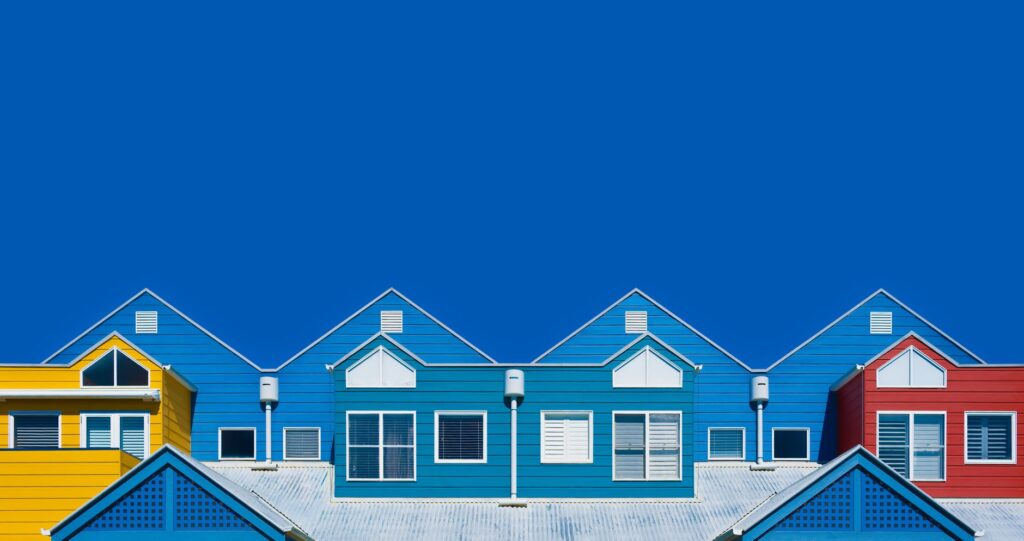
Choosing the right roof painting colours can transform your home's street appeal, reduce energy bills by up to 30%, and add thousands to your property value. With Australian summers getting hotter and council guidelines becoming stricter, selecting the perfect roof colour involves more than just personal taste—it's a strategic decision that affects comfort, compliance, and cash flow.
What's in this guide
- Most popular roof painting colours in Australia
- Climate and energy efficiency considerations
- Matching colours to architectural styles
- Council regulations and BAL ratings
- Common mistakes to avoid
- Frequently asked questions
Most popular roof painting colours in Australia
Australian homeowners gravitate toward specific roof painting colours that suit our climate and lifestyle. Terracotta and burnt orange remain perennial favourites, particularly in Queensland and Western Australia, where they complement the warm climate and natural landscapes. These earthy tones work beautifully on traditional home exteriors and Queenslander-style properties.
Charcoal and monument grey have surged in popularity over the past five years, especially in Melbourne and Sydney. These contemporary neutrals pair seamlessly with white, black, or natural timber cladding, creating a sophisticated modern aesthetic. Monument grey reflects approximately 40% of solar radiation—substantially better than darker colours but still offering a bold visual impact.
Classic Colorbond colours like Surfmist, Shale Grey, and Woodland Grey dominate the market for metal roofs. Surfmist is Australia's most popular roof colour for good reason: it reflects up to 70% of solar heat, keeping roof spaces significantly cooler. This translates to lower air conditioning costs—particularly important as energy prices continue to climb in 2026.
For heritage properties and character homes, traditional slate and heritage green remain appropriate choices. Many local councils mandate specific roof painting colours in heritage overlay zones, and these classic shades ensure compliance while maintaining period authenticity.
Dark colours like basalt and night sky have their place but require careful consideration. While they create dramatic kerb appeal and hide weathering well, they absorb significantly more heat. In Brisbane or Darwin, a dark roof can reach surface temperatures exceeding 80°C on summer days, dramatically increasing cooling loads.
Climate and energy efficiency considerations
Your local climate should be the primary driver when selecting roof painting colours. The Bureau of Meteorology climate data shows that roof surface temperatures can vary by 30°C between light and dark colours under the same conditions.
In tropical and subtropical regions—Darwin, Cairns, Brisbane—light roof painting colours are virtually essential. Colours with a Solar Reflectance Index (SRI) above 60 keep roof cavities 10–15°C cooler than darker alternatives. This isn't just about comfort; it protects structural timber, reduces AC runtime, and extends the life of roofing materials exposed to intense UV radiation.
Melbourne and southern climates present more nuanced choices. While summer heat still matters, winter warmth retention becomes relevant. Mid-tone greys and muted earth tones strike a balance: they don't overheat in summer but provide modest passive heating in cooler months. Thermal modelling for a typical Melbourne home shows minimal annual energy difference between mid-tone and light colours—often less than $50 per year.
Coastal locations demand fade-resistant roof painting colours. Salt spray accelerates weathering, so premium acrylic formulations with UV inhibitors are essential. Lighter colours show salt residue less obviously and maintain their appearance longer in harsh marine environments.
The Australian Building Codes Board provides guidance on energy efficiency standards that increasingly influence colour selection. Some states now recommend or mandate minimum reflectivity values for roof surfaces in new builds and major renovations, particularly in bushfire-prone and extreme heat zones.
Matching colours to architectural styles
Federation and Californian bungalow homes look best with traditional roof painting colours: heritage green, slate grey, or deep terracotta. These period styles feature complex rooflines and decorative gables that benefit from classic, understated tones. Pairing a heritage green roof with cream or sandstone walls creates an authentic Federation palette that respects the home's character.
Mid-century modern homes suit bold, contrasting roof colours. Think charcoal or monument grey paired with crisp white or natural timber. These homes were designed with clean lines and geometric forms that handle strong colour contrast beautifully. A dark roof accentuates the horizontal lines typical of 1960s architecture.
Contemporary builds offer the most flexibility with roof painting colours. Skillion roofs, mixed materials, and open-plan designs work with everything from ultra-light Surfmist to dramatic basalt. The key is ensuring your roof colour complements your wall cladding, window frames, and landscaping. If you're considering a professional roof painting service, they can provide digital mock-ups showing different colour combinations on your specific home.
Queenslander homes look spectacular with traditional roof colours in terracotta, deep red, or warm brown. These elevated timber homes feature prominent rooflines visible from street level, making the roof a defining design element. Light-coloured roofs on Queenslanders can appear washed out; richer tones provide appropriate visual weight.
Coastal and Hampton-style homes pair beautifully with lighter roof painting colours. Shale grey, pale terracotta, or even off-white roofs complement weatherboard cladding and beach-inspired palettes. These homes often feature white or soft grey walls, and a lighter roof maintains the airy, relaxed aesthetic while maximising energy efficiency.
Council regulations and BAL ratings
Before finalising your roof painting colours, check local council requirements. Many municipalities maintain strict colour palettes for heritage areas, conservation zones, and coastal precincts. Melbourne's inner suburbs, for example, often require heritage-appropriate colours for any visible roofing work. Council websites typically provide approved colour schedules, or you can request guidance from planning departments.
Bushfire Attack Level (BAL) ratings significantly impact colour choices in fire-prone areas. Properties with BAL-12.5 or higher ratings must use fire-resistant roofing materials, and some councils recommend lighter colours that reflect heat and are less prone to ember ignition. While paint colour itself doesn't change a material's BAL rating, it affects surface temperature and therefore long-term material integrity.
Covenant restrictions in newer estates frequently mandate approved roof painting colours from a limited palette. Developers establish these guidelines to maintain visual cohesion, and homeowners must comply regardless of personal preference. Review your property title documents or contact your estate management before committing to a colour.
Solar reflectance standards are becoming more common. Some NSW and Queensland councils now recommend minimum SRI values for roof surfaces, particularly in urban heat island zones. Light and mid-tone roof painting colours easily meet these standards, while darker options may require additional documentation or energy efficiency offsets.
Common mistakes to avoid
Choosing roof painting colours without considering your wall colour is the most frequent error. Your roof and walls must work as a cohesive palette. A terracotta roof clashes with cool grey walls; a charcoal roof overwhelms a home with dark brick. Test paint samples on your actual roof surface at different times of day before committing.
Ignoring your neighbourhood context creates jarring results. While you needn't match every surrounding home, wildly divergent roof painting colours can hurt resale value and neighbourhood relations. A bright red roof in a street of muted greys and creams will stand out—not always in a good way.
Selecting colours based solely on small paint chips is risky. Roof colours appear dramatically different at scale under full sun. Order larger sample pots and paint test sections, or use digital visualisation tools that many paint suppliers now offer. What looks sophisticated in a 5cm square can overwhelm when spread across 200 square metres.
Overlooking long-term maintenance needs causes regrets. Ultra-light colours show dirt, moss, and weathering more obviously than mid-tones. If your roof is shaded by trees or in a high-rainfall area prone to algae growth, lighter roof painting colours may require more frequent cleaning. Conversely, very dark colours fade faster under intense UV exposure.
Failing to check paint compatibility with your roofing material wastes money. Not all roof paints suit all surfaces—terracotta tiles, concrete tiles, and Colorbond metal each require specific paint formulations. Using the wrong product leads to poor adhesion, premature failure, and expensive repainting within a few years.
Frequently asked questions
What are the best roof painting colours for Australian summers?
Light colours with high Solar Reflectance Index (SRI) values are best for hot climates. Surfmist, Shale Grey, and Pale Eucalypt reflect 60–70% of solar heat, keeping roof spaces significantly cooler. These roof painting colours can reduce cooling costs by 20–30% compared to dark alternatives in tropical and subtropical regions.
How much does roof colour affect home value?
Real estate data suggests well-chosen roof painting colours can add 1–3% to property value by improving street appeal. Neutral, contemporary colours like monument grey or warm neutrals appeal to the broadest buyer demographic. Bold or unconventional colours may limit buyer interest, potentially reducing sale price or extending time on market.
Can I paint my roof any colour I want?
Not always. Heritage overlays, covenant restrictions, and some council planning schemes limit roof painting colours to approved palettes. Bushfire-prone areas may also have material and colour recommendations. Check with your local council planning department and review property title documents before proceeding with non-standard colours.
Do dark roof colours always cost more to cool?
In northern and coastal Australia, yes—dark roof painting colours significantly increase cooling loads. However, in southern climates like Melbourne and Hobart, the annual energy difference between dark and mid-tone colours is often minimal (under $100 per year) because winter heat gain partially offsets summer cooling costs. Insulation quality matters more than colour in temperate zones.
How long do roof painting colours last?
Quality acrylic roof paints typically last 10–15 years in southern climates and 7–12 years in tropical regions with intense UV exposure. Lighter roof painting colours generally maintain their appearance longer than dark colours, which fade more noticeably. Premium formulations with UV inhibitors and proper surface preparation extend longevity regardless of colour choice.
Your next steps for selecting roof painting colours
Start by assessing your climate zone, architectural style, and any council or covenant restrictions. Order sample pots of two or three shortlisted roof painting colours and test them on inconspicuous sections of your roof, viewing them at different times of day. Consider energy efficiency data and long-term maintenance needs, not just initial aesthetics. Most professional roof painters offer colour consultation services that include digital visualisation, making it easier to commit confidently to your final choice. The right roof colour balances visual appeal, practical performance, and neighbourhood context—delivering a refresh that looks great and works hard for years to come.
Comparing quotes? Once you have 2-3 in hand, drop them into our free Renovation Quote Comparator to see totals side-by-side and catch the common red flags automatically.